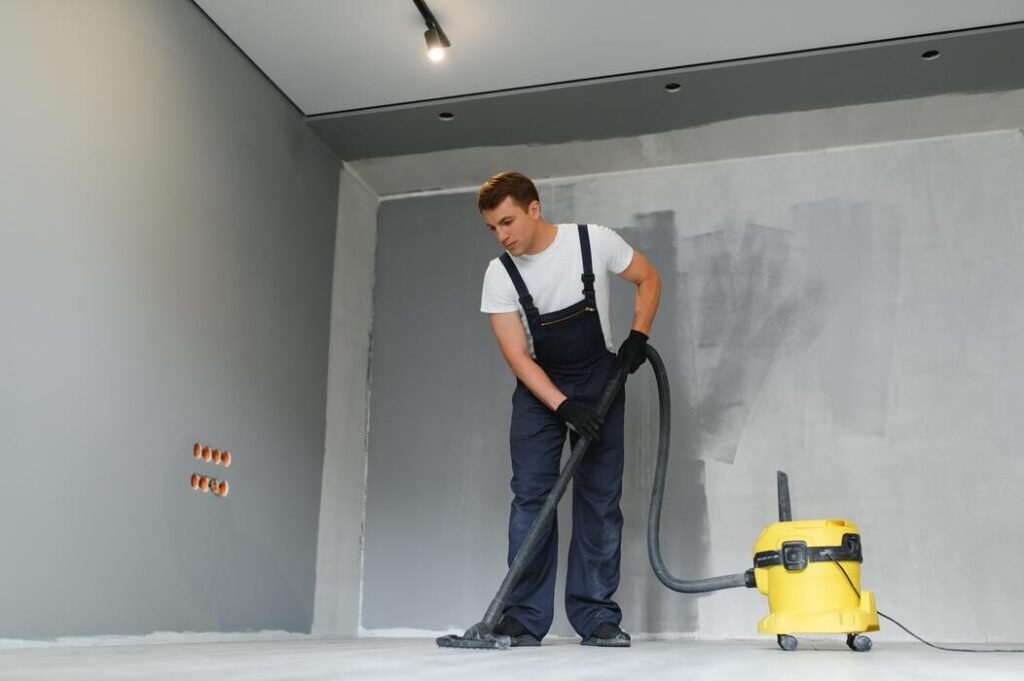
Post-Construction Cleaning Services
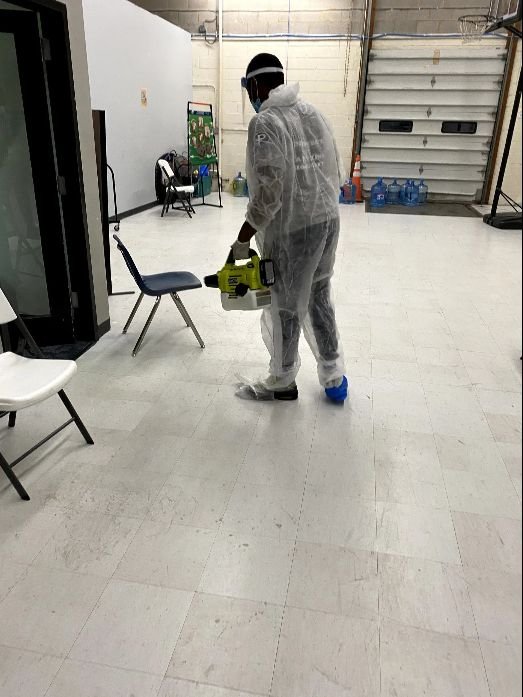
Post-Construction Cleaning Is a Different Job Than Regular Cleaning
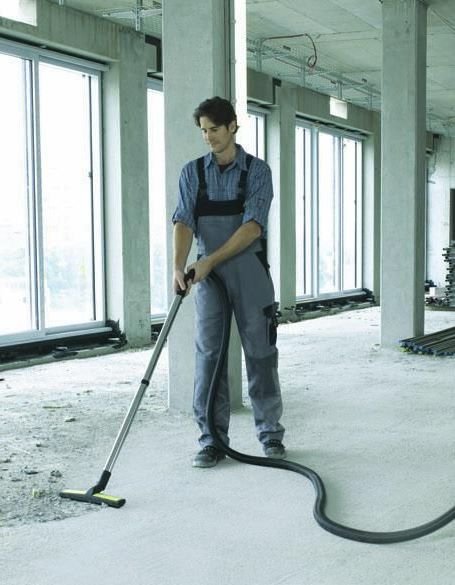
How We Approach Each Post-Construction Job
What Our Post Construction Cleaning Covers
Post Construction Cleaning addresses the mess remaining after a new build, remodel, or renovation. The exact scope of each job depends on the type of construction work done and the condition of the property when we arrive. No two jobs are identical.
These are the main areas we work through:
Dust and Surface Cleaning
Drywall dust is the most persistent part of any post-construction job. It is fine enough to remain airborne for extended periods and light enough to settle on surfaces that appear untouched at a glance. We work from the ceiling of each room down, cleaning dust from overhead fixtures, walls, window frames, shelving, and every flat surface before we address the floor.
Floor Cleaning
Floors take significant punishment during a build. Dried adhesive, grout haze, paint drips, scuff marks, and ground-in sawdust are common depending on the trades involved. We clean floors to the condition they need to be in for the space to function. What is on the floor and what the floor surface is made of shapes how we approach it.
Fixtures, Vents, and Detail Areas
Switch plates, outlet covers, light fixtures, HVAC vent covers, and door hardware collect construction dust and handling marks throughout a project. These areas get skipped in a rushed clean. A space that still has dusty fixtures and grimy hardware does not feel finished, no matter how clean the floors are.
Windows and Glass
Glass surfaces collect film, smudges, tape residue, and dust during construction. We clean accessible windows and glass as part of the agreed scope. A finished space with streaked windows still looks like a job site.
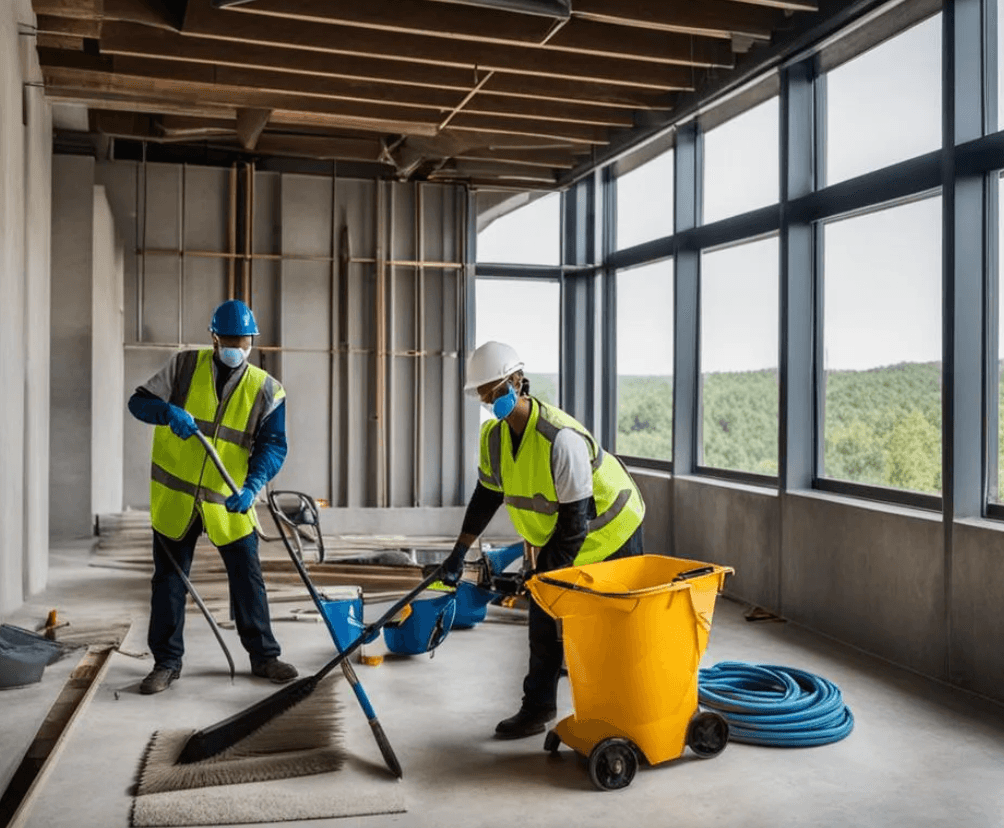
Carpet That's Telling You It Needs Cleaning
Some carpets make the problem obvious. Others look passable until you put a clean section next to a dirty one. Traffic lanes that stay dark after vacuuming are the clearest sign. The soil has moved past the surface and won’t come up with a vacuum. High-traffic areas like entryways and hallways show this first.
Dried spills are another common trigger. The liquid got soaked up, but the residue stayed in the fiber. That residue keeps pulling in new soil, and the area darkens again faster than the rest of the carpet Then there’s flat, compressed pile. It happens in spots where people walk and sit regularly. Steam cleaning can restore some of that texture, though the result depends on the carpet type and overall condition.
In commercial spaces, the problem usually shows up in specific zones first, near entry doors, around common areas, and along main corridors.